Showing posts with label heart disease. Show all posts

Sunday, October 6, 2013

How to Manage Atrial Fibrillation

Before we understand, How to Manage Atrial Fibrillation, we need to understand what is Atrial Fibrillation:
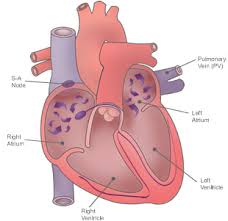
Atrila Fibrillation is the fibrillation of the muscles of the Atria of the Heart.
In common terms, Atrial fibrillation (AF or AFib) is the most common irregular heart rhythm that starts in the atria. Instead of the SA node (sinus node) directing the electrical rhythm, many different impulses rapidly fire at once, causing a very fast, chaotic rhythm in the atria. Because the electrical impulses are so fast and chaotic, the atria cannot contract and/or squeeze blood effectively into the ventricle.

Below are the 7 precautions by which you can manage Atrial Fibrillation, please click on the links below to read more:


Fix underlying chronic conditions

Fix underlying chronic conditions

Fix underlying chronic conditions

Atrial fibrillation is often a secondary condition resulting from another ongoing condition. Conditions like sleep apnea and hyperthyroidism are two serious conditions that, left untreated, can cause atrial fibrillation.

More than 25 million U.S. adults are estimated to have obstructive sleep apnea and the incidence of AF is about 5 times greater in people with apnea compared to people who do not have sleep apnea. Hyperthyroidism, which is a metabolic disorder, can cause chemical imbalances that can lead to electrical imbalances in your heart, triggering atrial fibrillation.

ALSO READ:

HOW TO MANAGE ATRIAL FIBRILLATION

Manage and Control your cholesterol levels

Manage and Control your cholesterol levels


Manage your cholesterol levels
Manage and Control your cholesterol levels

Heart problems like atherosclerosis (clogged, hardened arteries) and high cholesterol can worsen atrial fibrillation and put you at a higher risk for heart attack and stroke. Stick to a low-fat, plant-based diet and exercise daily to keep your levels under control.

Stop and Quit smoking

Stop and Quit smoking

Stop smoking
Stop and Quit smoking

Nicotine is a cardiac stimulant and can aggravate atrial fibrillation by temporarily making the heart race. Cigarette smoking is also a known risk factor for coronary artery disease.


Control alcohol intake


Control alcohol intake

Limit alcohol intake
Control alcohol intake
In excess, alcohol is toxic to the heart. Also dangerous are hangovers, which are associated with dehydration and an increase in stress hormones, which can increase the risk of atrial fibrillation. Coincidentally, hospitals often see a spike of patients coming in with symptoms of atrial fibrillation during the holidays, hence the appropriately named condition, “holiday heart syndrome,” which occurs with the excessive consumption of alcohol that often happens with holiday celebrations.

ALSO READ:

HOW TO MANAGE ATRIAL FIBRILLATION

Minimize stress


Minimize stress

Minimize stress
Minimize Stress

Even people who are generally healthy and have no known heart problems may develop atrial fibrillation due to high stress. Contemporary research suggests that approximately 54% of patients with intermittent atrial fibrillation cite psychological stress as the most common trigger.

ALSO READ:

HOW TO MANAGE ATRIAL FIBRILLATION

Control and Maintain a healthy weight

Control and Maintain a healthy weight

Maintain a healthy weight
Control and Maintain a healthy weight

Extra weight places a stress on the heart that can manifest as atrial fibrillation. It turns out that obesity can actually change the size of the heart’s atria, with a gradual increase in atrial size occurring as body weight increases from normal, to overweight, to obese.


ALSO READ:

HOW TO MANAGE ATRIAL FIBRILLATION

Avoid too much caffeine and other stimulants

Avoid too much caffeine and other stimulants

Avoid caffeine and other stimulants
Avoid too much Coffee
Stimulants — even too much coffee, tea, soda, or chocolate — can speed up your heart rate even more. Also, beware of over-the-counter medicines, including nutritional supplements and cold and allergy medicines. Drugs may contain stimulants or have other properties that can trigger arrhythmias and/or interact with your prescription medications.

ALSO READ:

HOW TO MANAGE ATRIAL FIBRILLATION


Related Posts Plugin for WordPress, Blogger...